Rental property analysis should go beyond headline rent numbers. Investors need to account for financing, taxes, insurance, vacancy, repairs, management, and reserves to understand whether a property truly supports their goals.
Begin with realistic rent expectations, not optimistic guesses. Investors should consider base rent, other possible income sources, and whether the projected income matches the property, location, and rental strategy.
A property may look strong on gross rent alone but perform very differently after expenses. Taxes, insurance, repairs, maintenance, HOA dues, utilities, vacancy, turnover, and management costs all affect real performance.
Financing changes the deal. Interest rate, down payment, and loan structure all influence the monthly payment and can make the same property look very different from one investor to another.
Monthly cash flow helps show whether a property is actually producing usable income after operating costs and debt service. That number often matters more than a headline rent figure.
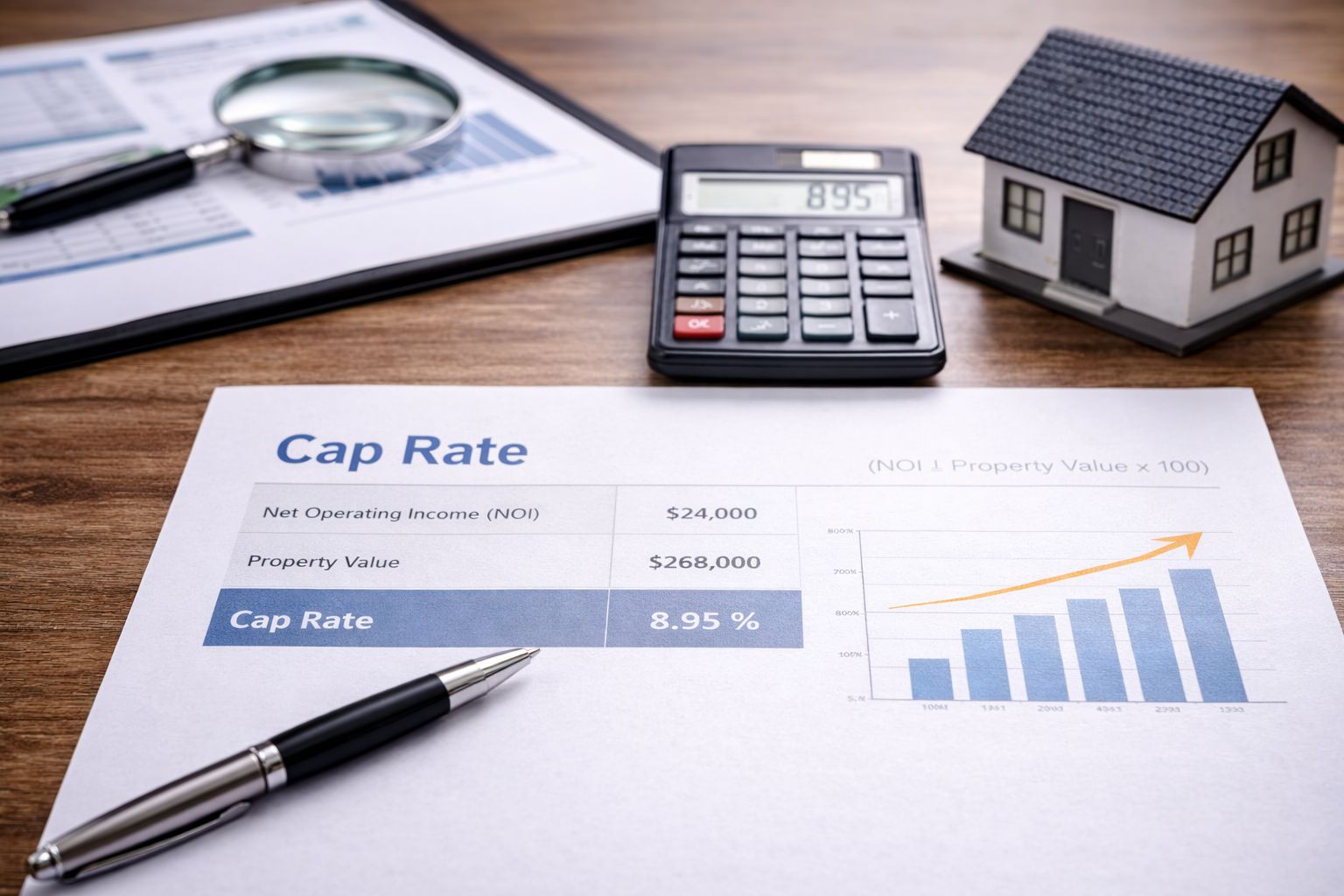
Investors should not rely on just one number. Cash flow, cash-on-cash return, cap rate, and debt service coverage each show a different part of the property’s performance.
Before moving forward, investors should test the numbers using practical tools that compare income, expenses, financing, and return. Running multiple scenarios can help reveal whether a deal still works when assumptions change.
Use the calculators and investor resources on this site to compare scenarios and think through strategy before making a purchase decision.
Investor financing, legal, and tax information on this page is provided for general educational purposes only and does not replace advice from licensed lenders, tax professionals, attorneys, or financial advisors. Buyers should review their own financing options, lending criteria, investment goals, and transaction strategy with the appropriate professionals before making decisions.